March 5, 2026
·
9 min read
AI SEO Tools ROI Case Study: 90-Day SMB Results
A practical 90-day case study on evaluating AI SEO tools for SMB ROI—define ROI that actually counts, compare tool categories (keywords, optimization, audits, reporting), map total costs, and track leading/lagging metrics plus time-saved and quality checks.

ROI sounds simple until you try to measure it in SEO: rankings move, conversions lag, and “time saved” is easy to claim but hard to prove. If you’re an SMB, the pressure is worse—you need progress in weeks, not quarters, and you can’t afford tools that only look impressive in demos.
This case study walks you through a realistic 90-day setup, a clear cost breakdown, and what to measure so you can judge whether AI SEO tools are paying off in your business, not just in your reports.
Why ROI Is Hard
A 90-day AI SEO tool decision is a bet under pressure. You pay for software, spend time learning it, and still can’t guarantee meaningful gains.
Manual SEO trades money for your time. An agency trades control for speed and expertise. The tool sits in the middle, where uncertainty lives.
What counts as ROI
ROI isn’t just rankings, because rankings don’t pay invoices. In 90 days, ROI usually shows up as execution speed, better prioritization, and fewer wasted hours.
Time saved matters if it turns into shipped work. More content only matters if it targets real queries and gets published consistently. Lead quality matters if it changes sales conversations, not just form fills.
Treat 90 days as an efficiency test first. Then push for compounding.
Typical SMB constraints
SMBs feel tool risk harder because there’s less slack. Small misses cost weeks.
- Limited owner time for execution
- Small teams with split roles
- Thin content library and authority
- Weak tracking and messy attribution
- Tight cash flow and short runways
If two of these stack up, focus on fundamentals before fancy workflows.
The 90-day reality
In 90 days, you can fix the leaks. You can’t reliably “win SEO” from scratch.
You can clean up technical basics, tighten internal linking, and build a usable keyword map. You can also increase output by turning ideas into briefs, drafts, and updates faster.
Watch leading indicators, not miracle graphs. Better pages shipped is the real early signal.
Tools Under Test
AI SEO tools usually pitch one promise: do more work with fewer clicks. In practice, most suites overlap on keywords, content, audits, and reporting, so you can pay twice for the same “AI layer.”
Imagine an SMB running a rank tracker, a crawler, and a content tool, then adding an “AI co-pilot” to each. Costs stack fastest where features blur, not where they’re truly distinct.
Keyword research
AI-assisted keyword research tries to shorten the messy middle between “ideas” and “a plan.” It’s great at surfacing themes and patterns, but it can also hide bad assumptions behind confident wording.
Most tools now cover topic discovery, intent clustering, and quick SERP summaries in one workflow. Manual review still matters when the SERP is mixed, local, or brand-heavy.
Treat AI as a map. You still need to check the terrain.
Content optimization
Content tools promise faster drafts and cleaner pages, but the real test is whether they improve decisions. You want features that guide edits, not just generate more text.
- Generate SEO briefs and requirements
- Produce outlines with intent coverage
- Suggest on-page edits and headings
- Recommend internal links and anchors
- Prompt E-E-A-T signals and sources
If it can’t explain “why this change,” it’s a writing assistant, not an SEO tool.
Technical auditing
Traditional crawlers excel at finding issues; AI claims it can rank them by impact. That’s useful when you have a backlog and limited dev time.
The catch is handoff. Developers need reproducible steps, URLs, templates affected, and a clear definition of “fixed.”
If AI can’t produce a clean ticket, it doesn’t reduce engineering load.
Reporting automation
Reporting automation should remove busywork, not create a second analytics system to maintain. The best outputs are the ones you’d otherwise write by hand.
- Annotated dashboards tied to changes
- Automatic change logs per page
- Alerts for anomalies and drops
- Stakeholder-ready weekly summaries
If reports don’t drive actions, automation just makes faster noise. For implementation reality, note that Search Console API usage limits can constrain automated dashboards and alerting.
Cost Breakdown
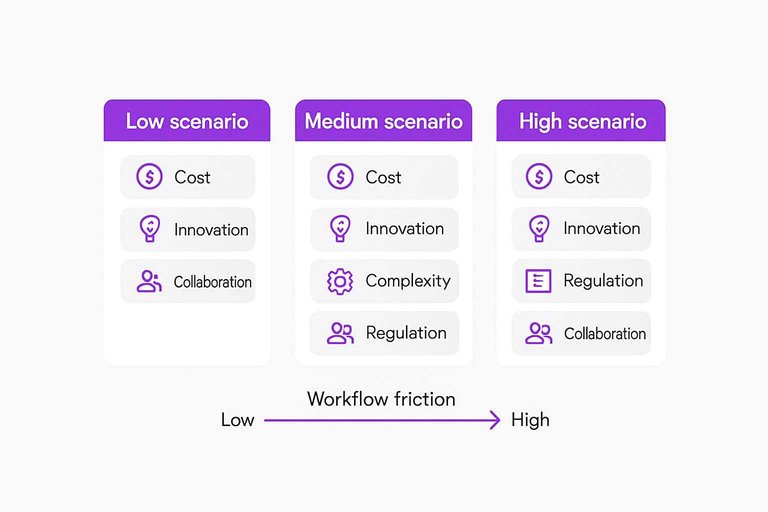
You can’t judge AI SEO ROI until you price the full system, not just the tool. Use low, medium, and high scenarios to model reality: team size changes, add-ons creep in, and workflows either click or grind—especially depending on whether your platform can cover the basics (SEO formatting, publishing, and distribution) in one place.
| Cost driver | Low scenario | Medium scenario | High scenario |
|---|---|---|---|
| Subscriptions | One core tool (e.g., an all-in-one platform like Skribra that bundles SEO structure and publishing) | Tool stack | Stack + premium tiers |
| Seats | 1–2 seats | 3–5 seats | 6+ seats |
| Add-ons | None | One add-on | Multiple add-ons |
| API usage | No API | Light API calls | Heavy API usage |
| Training time | Self-serve onboarding | Team training sessions | Ongoing enablement |
| Workflow friction | Fits current process (direct CMS publishing helps) | Some rework needed | Major process changes |
If “workflow friction” is high, your real cost is attention, not invoices.
90-Day Setup Plan
A 90-day rollout works when you protect operations and still get clean measurement. You’ll front-load instrumentation, then ship in steady batches so attribution stays believable.
Week 1 baseline
Lock the baseline before you touch content or tooling. Clean inputs now, or you’ll argue about numbers later.
- Confirm one primary goal and two supporting goals in plain language.
- Audit analytics and CRM tracking for broken sources, duplicates, and missing fields.
- Define conversion events and verify they fire across key devices and pages.
- Capture ranking snapshots for priority queries and pages, plus branded terms.
- Inventory content by URL, intent, owner, last update, and current performance.
Once this is done, every later change has a receipt.
Weeks 2–4 build
Build the system you’ll run every week, not the one you admire in a demo. Your goal is repeatable throughput with predictable quality.
- Select a tool stack that covers research, briefs, optimization, and reporting.
- Create templates for briefs, outlines, on-page checks, and update notes.
- Brief the workflow: who drafts, who reviews, who publishes, who measures.
- Set an editorial calendar tied to revenue pages and funnel stages.
- Write internal linking rules and a QA checklist for every publish.
If you can’t run it on a Tuesday, it won’t survive a busy quarter. When you write internal linking rules, use a clear SEO guide for internal linking and follow link best practices for Google to keep links crawlable and consistent.
Weeks 5–8 ship
Ship on a fixed cadence so you can spot cause and effect. Two content days per week is often enough, as long as you keep scope tight.
Publish new pages in batches that share intent, like one cluster per week. Refresh your money pages on a separate track, focusing on titles, headings, missing sections, and internal links.
Close the loop on technical issues that block crawling or conversion, like indexation mistakes, broken canonicals, and slow templates. Document every change in a simple changelog with date, URL, and what changed.
Attribution gets easier when your releases look like experiments, not chaos.
Weeks 9–12 refine
Refinement is where AI tools pay off, because iteration becomes cheap. You’re tuning for fit, not chasing volume.
- Prune topics that attract the wrong intent.
- Improve SERP fit with better angles and formats.
- Strengthen CTAs on pages with traffic, but weak leads.
- Consolidate cannibalized pages into one clear winner.
- Adjust automation settings to reduce noise and rework.
Your best win here is deleting work you shouldn’t keep doing.
Real SMB Case
Starting conditions
Picture a local service business with a small site built over years, not planned. A few strong service pages existed, but most content was uneven and outdated.
Tracking was basic and inconsistent, with goals and calls not cleanly attributed. One person owned marketing part-time, juggling sales, ops, and vendor coordination.

Tool choices made
They needed a small stack they could actually run, not a “best-in-class” fantasy.
- Chose one keyword research tool for demand and intent
- Chose one on-page optimizer for priorities, not auto-fixes
- Chose one crawler for broken links and thin pages
- Avoided extra AI add-ons that duplicated features
- Avoided complex analytics rebuilds beyond basic conversions
The constraint was the strategy. Budget and operator time set the rules.
Workflow in practice
Each week started with a short list of pages that mattered, not a long backlog. They used AI to draft briefs and first drafts, then a human rewrote openings, checked claims, and adjusted calls-to-action.
Publishing was lightweight: update an existing page, ship one new supporting page, and add internal links. AI suggestions got overridden when they pushed awkward wording, irrelevant subtopics, or “SEO-ish” phrasing that didn’t match how customers spoke.
Lessons learned
The first month is mostly about removing friction, not chasing wins.
- Build prompt templates for briefs, FAQs, and rewrites
- Add QA gates for facts, offers, and local compliance
- Treat optimizer scores as clues, not targets
- Stop keyword-stuffing before it starts
- Set stakeholder expectations around compounding results
If you can’t review fast, you can’t publish safely. That’s the real bottleneck.
What To Measure
You need two scoreboards: inputs you control this week, and outcomes that arrive later. In a 90-day window, ROI is only assessable if both connect to real business actions.
Leading indicators
Leading indicators tell you if the machine is working before rankings catch up.
- Pages shipped per week
- Refresh velocity on key URLs
- Indexation rate for new pages
- Internal links added intentionally
- Crawl errors resolved quickly
If these stall, stop debating tools and fix your workflow. If you’re trying to compound progress, see unlocking daily SEO gains with AI for a practical way to build momentum from small wins.
Lagging outcomes
Lagging outcomes prove whether SEO work turned into commercial value. Track qualified leads, booked sales calls, and revenue with a clear confidence level, not false precision.
Assisted conversions matter too, but attribution gets messy fast. Last-click hides SEO’s role, multi-touch can over-credit it, and “direct” often masks organic returns.
Your job is to choose a model you can defend, then apply it consistently.
Time saved estimate
Time savings is the cleanest early ROI lever, if you measure it like an adult.
- Timebox each SEO task for two weeks.
- Record baseline hours before the tool.
- Repeat the same tasks after adoption.
- Include review, edits, and approvals.
- Convert saved hours to labor cost.
If hours don’t drop, you bought novelty, not leverage.
Quality control checks
AI speed only helps if you can ship without risking trust.
- Factual accuracy against sources
- Brand voice and tone match
- Compliance and claim safety
- Duplicate content risk scan
- Human expertise signals present
QA is your ROI insurance policy, not a bureaucratic tax.
Run Your Own 90-Day ROI Test (and Keep It Honest)
- Define ROI up front: pick one primary outcome (leads, trials, sales) and one efficiency goal (hours saved) and write down how you’ll measure both.
- Lock the baseline in Week 1: annotate current traffic, rankings, conversions, and the hours your team spends on research, writing, audits, and reporting.
- Track leading indicators weekly: content shipped, indexation/coverage, query-to-page alignment, and technical issue closure—then review lagging outcomes monthly.
- Add quality control gates: human review for accuracy/brand voice, intent match checks, and post-publish audits so “faster” doesn’t quietly become “worse.”
Turn ROI Into Output
After you’ve mapped costs, setup steps, and what to measure, the real challenge is producing consistent, optimized content long enough to prove ROI.
Skribra generates daily SEO-ready articles with keywords, meta descriptions, images, and WordPress publishing built in—plus a backlink exchange network to build authority faster. Start with the 3-Day Free Trial.
Written by
Skribra
This article was crafted with AI-powered content generation. Skribra creates SEO-optimized articles that rank.
Share: