June 13, 2026
·
Updated September 16, 2026
·
16 min read
How SEO for Affiliate Marketing Works: Content, Links, Compliance
A pillar guide to SEO for affiliate marketing that shows how to turn search intent into compliant, revenue-producing pages—build a keyword-to-page map, write high-converting reviews and comparisons, strengthen E-E-A-T, and balance link building, internal links, and technical SEO for sustainable rankings.


Affiliate SEO sounds simple until you try to connect rankings to commissions without tripping over thin content, weak trust signals, or disclosure mistakes.
This pillar breaks the model down so you can build an affiliate site that earns from the pages you rank, not just the keywords you target. You’ll learn how to map intent to the right page type, structure clusters and internal links, write reviews and comparisons that convert, prove real experience, handle affiliate links safely, and cover the technical essentials that keep your best pages indexed and fast.
Affiliate SEO model
Affiliate marketing pays you when your referral sends a buyer to a merchant, and that buyer converts. SEO supplies the highest-leverage input because it captures intent already in motion. Content answers the question, links and other trust signals win the ranking, and compliance keeps the whole machine from breaking.
Search intent funnel
Search intent tells you what page to build, and what questions you must answer. Get intent wrong and you will rank weakly, or convert poorly.
Informational queries → guides, tutorials, definitions
- “What is X” → plain-English explainer
- “How to do X” → step-by-step walkthrough
- “X vs Y” → comparison framework
Commercial queries → comparisons, alternatives, “best” pages
- “Best X for Y” → shortlist with criteria
- “X reviews” → pros, cons, fit
- “X alternatives” → switch reasons and tradeoffs
Transactional queries → deal pages, merchant-specific pages
- “Buy X” → routing page with key caveats
- “X coupon” → policy-safe savings info
- “X pricing” → plan comparison and who each fits
If the query implies money, your page must answer risk and fit questions fast.
Rank-to-revenue chain
Affiliate SEO is a chain, and weak links quietly erase commissions.
- Choose a keyword with clear intent and an affiliate-eligible offer.
- Publish a page that matches intent and earns the click from the SERP.
- Send the click through a tracked affiliate link without breaking attribution.
- Land users on a merchant page that keeps message-match and loads fast.
- The merchant converts and your network records the event.
Leakage usually happens at the click, the tracking hop, or the merchant mismatch.
Core constraints
Affiliate sites compete under constraints that brands rarely feel. Design around them early or you will patch forever.
- Thin content risk on “best” and “review” templates
- Duplicate offers across dozens of identical affiliates
- Tracking loss from redirects, blockers, or broken parameters
- Disclosure and ad rules on every monetized touchpoint
- Limited natural link earning without a known brand
Your edge is rarely the offer. It is the page quality and trust footprint around it.
Mental model summary
Win affiliate SEO with a simple loop: satisfy intent better than the next result, earn trust signals that justify ranking, and remove compliance risk before it removes you. Build pages that deserve to exist even if the links disappeared tomorrow.
Keyword strategy
You win affiliate SEO by choosing queries where you can out-clarify, not outspend. The goal is winnable intent: searches with clear needs, light brand gravity, and space for a better angle. If you want the full foundation behind this approach, see this complete SEO guide.
Opportunity signals
You’re looking for SERPs where your page can be the cleanest answer, not the loudest brand. Use quick signals to spot weak competition and strong intent.
- Thin affiliate roundups with vague claims
- Mixed results, no clear dominant format
- Few big brands in top results
- Intent obvious from wording and modifiers
- Differentiation possible via testing, filters, or niche focus
If you can name the user’s decision criteria, you can usually beat generic lists.
Query-to-page mapping
Match each query pattern to a page type that satisfies the intent fast. Most affiliate sites fail because one template tries to answer every question.
| Query pattern | Intent | Best page type | Angle to win |
|---|---|---|---|
| “best X for Y” | shortlist | Best-of | clear criteria |
| “X vs Y” | compare | Comparison | decision matrix |
| “X review” | evaluate | Review | proof and limits |
| “X alternatives” | replace | Alternatives | switching reasons |
| “how to choose X” | learn | Info hub | buyer framework |
When the page type fits the query, rankings follow with fewer links.
Cluster architecture
Build hub-and-spoke clusters so Google sees depth, not isolated posts. Your hub targets the broad term, and spokes target the specific “buyer moments” around it.
Example: a “Best trail running shoes” hub can link to spokes like “for wide feet,” “for mud,” and “alternatives to brand X.” Each spoke links back to the hub, plus a few adjacent spokes where it genuinely helps.
That internal web turns scattered keywords into a niche you’re known for.
Prioritization method
You need a consistent way to choose what to publish next. Prioritize like an operator, not a brainstormer.
- Score intent value: affiliate fit, urgency, and likely conversion path.
- Check competition: format match, brand dominance, and content depth.
- Estimate content cost: research time, testing needs, update burden.
- Estimate link needs: how many credible mentions you’ll realistically earn.
- Flag compliance risk: claims, disclosures, YMYL sensitivity, and policy limits.
The best keywords aren’t just easy; they’re easy and safe to scale.
Content that converts
High-performing affiliate content earns trust before it earns clicks. Readers want clarity, proof, and quick decisions, and Google wants signals of firsthand usefulness.
Templates help you start, but conversion usually comes from specifics. Concrete criteria, transparent methods, and honest tradeoffs keep you credible. If you want a repeatable way to tighten structure and QA before publishing, use this checklist for streamlining SEO content. For a broader, end-to-end workflow, see this 11-point affiliate SEO checklist.
Review anatomy
A review should answer “Should I buy this?” faster than the product page. The structure matters because it forces completeness and makes skimming easy.
- Who it’s for and who should skip
- Your criteria and why they matter
- Your testing method and constraints
- Pros, cons, and dealbreakers
- Pricing context, FAQs, and verdict
If you can’t explain your method, you’re not reviewing. You’re rephrasing.
Comparison framework
Comparisons convert when your scoring feels earned, not engineered. Pick criteria that match intent, explain weights, and show tradeoffs so readers can self-select.
Use 5–7 criteria that reflect real buying decisions, like fit, durability, setup, or ongoing cost. Define a simple scale and apply it consistently, then add a short note per score that cites what you observed. Present “best for” categories and a constraints section, like “no budget picks” or “not for travel,” so omissions look intentional.
The moment you hide a downside, you stop sounding like a reviewer and start sounding like an ad.

Differentiation tactics
Most affiliate pages fail because they look interchangeable. You need signals that you did real work, not just compilation.
- Add original photos of key details
- Include expert input with attribution
- Collect your own measurements or checks
- Share firsthand notes and edge cases
- Take a contrarian, specific angle
Do one of these well, and you’re instantly harder to outrank. Do three, and you’re the source.
On-page essentials
On-page work should match the job the query is hiring your page to do. Build the page so search engines understand it and readers finish it.
- Write a title that states outcome and audience, not hype.
- Use headings that mirror buyer questions and comparison criteria.
- Add Product/Review/FAQ schema only where you truly have that content.
- Include an FAQ block that answers objections, then link to the proof.
- Use one scannable table for the decision, then place CTAs at decision points.
Optimize for the snippet, but write for the doubt behind it. That’s where conversions come from.
E-E-A-T for affiliates
Thin affiliate vibes come from vagueness, not from affiliate links. Your job is to show real use, real authors, and a site people can trust.
Proof of experience
Saying you tested a product is cheap. Showing how you tested it is the trust signal.
Describe your methodology in plain language. Include what you did, what you measured, and what “good” looked like. Add evidence you can actually produce, like original photos, screenshots, notes, or comparison tables you created.
Call out limitations and edge cases. Add an editorial note explaining who tested, when, and what changed since the last update. Readers trust you faster when you admit what you don’t know.
Author credibility
A strong author page makes your recommendations feel owned, not outsourced.
- Clear bio and relevant background
- Verifiable credentials or hands-on expertise
- Affiliate disclosure and ad relationships
- Contact options and response expectations
- Editorial policy and review standards
Treat the author page like a product label. If it’s missing ingredients, people assume the worst.
Site trust basics
Trust is mostly boring housekeeping. It still moves rankings in competitive affiliate SERPs.
Build an About page that explains who you are and why you exist. Use citations for factual claims, and link to primary sources when possible. Keep HTTPS everywhere, remove broken UX, and make navigation predictable.
Balance ads with readability and intent. If the page feels like a trap, Google and users treat it like one.
Update cadence
Stale reviews turn into accidental misinformation. A simple refresh loop prevents that.
- Re-test key picks and re-check your methodology notes.
- Re-price and update availability, especially for “best value” claims.
- Replace discontinued items and rewrite comparisons impacted by swaps.
- Monitor SERP changes and adjust to new intent, formats, and competitors.
- Log changes with dates and a short changelog on-page.
Your update log is proof you’re maintaining a system, not publishing-and-forgetting.
Affiliate link compliance
Affiliate SEO breaks when you hide the commercial relationship or hack tracking in fragile ways. Do compliance cleanly, and you protect trust, rankings, and your accounts.
Your goal is simple: tell readers what’s happening, and keep links technically honest.
Disclosure requirements
Disclosures are a UX element and a legal one. They must work for skim readers, not just careful readers.
- Use plain language, not legalese
- Place near the link or claim
- Make it visually noticeable
- Keep it consistent site-wide
- Ensure it works on mobile
If someone can miss it while scrolling, you’re not disclosing. You’re hoping.
Placement playbook
Place disclosures where decisions happen. That’s where regulators, platforms, and readers expect to see them.
- Best-of lists: add a short disclosure above the first affiliate link.
- Reviews: repeat disclosure near the verdict and the primary buy button.
- Email capture: disclose on the page and inside the first promo email.
- Social embeds: add “ad” or “affiliate” in-caption, not buried in hashtags.
- Wording: use direct phrasing like “I may earn a commission at no extra cost.”
The rule is proximity to persuasion. Put it where the click impulse starts.
Technical handling
Affiliate links are paid relationships, so treat them like paid links in your markup and systems. Use rel=“sponsored” or rel=“nofollow” on affiliate URLs, and keep that behavior consistent across templates.
Redirects and tracking parameters are fine when they’re transparent and stable. Prefer server-side 301 redirects on your own domain for link management, but avoid deceptive cloaking that shows users one destination and crawlers another.
Keep affiliate links crawl-safe by making them normal links, not JavaScript-only click handlers, and don’t block your redirect path in robots.txt if you expect Google to understand the relationship. If you’re worried about “leaking” link equity, the rel attribute is the correct control, not hiding the link from crawlers.
Common compliance mistakes
Most compliance failures are design choices disguised as marketing. They look clever until you get flagged.
- Hiding disclosures in footers
- Burying disclosures behind taps
- Making claims you can’t verify
- Writing reviews without using product
- Publishing “coupon” bait tactics
If your tactic requires plausible deniability, it’s already over the line.
Current disclosure and link attribute best practices
Compliance expectations shift across regulators, platforms, and ad networks. The safest approach is to treat disclosure and link markup as part of your publishing system—not something you “remember” to add.
Disclosure wording (FTC-friendly and reader-friendly):
- Use a short, unambiguous sentence: “This post contains affiliate links. If you buy through my links, I may earn a commission at no extra cost to you.”
- Avoid vague phrasing (“may contain links,” “partnered,” “thanks for supporting”) that doesn’t clearly communicate compensation.
- If you make product claims, don’t let disclosure do the heavy lifting. Disclosure explains the relationship; it doesn’t validate the claim.
Disclosure placement (what holds up under scrutiny):
- Put a full disclosure near the first meaningful affiliate interaction: above the first affiliate link/button on lists and near the first “Buy” or pricing/availability block on reviews.
- For long posts, add a short reminder close to high-intent sections (comparison tables, top picks, verdict, and repeated buy buttons).
- Don’t rely on banners, modals, or accordion “read more” blocks for the only disclosure—many users won’t see them.
Link attributes (Google-friendly):
- Default affiliate outbound links to
rel="sponsored"(orrel="sponsored nofollow"if that’s your universal policy). The goal is consistency. - Don’t mix “dofollow” and “nofollow” based on commission rates or merchant preference. That’s exactly the kind of pattern that looks manipulative.
- If you use link shorteners or internal redirects, the final outbound click should still carry the intended
relattribute.
Tracking and redirect hygiene (avoid trust and indexing pitfalls):
- Keep redirects simple and explainable: one hop on your domain to the merchant is ideal; long redirect chains and multiple trackers increase breakage and scrutiny.
- Don’t do device- or bot-specific destination switching (“users go to A, crawlers go to B”). Even when the intent is analytics, it can look like cloaking.
- Use stable, descriptive internal slugs (e.g.,
/go/brand-product/) and maintain them over time; if you change networks, update the target behind the same redirect. - Ensure affiliate links resolve cleanly (no intermittent 404s, expired offers, or geo loops). Broken affiliate clicks are a compliance and UX problem—and they quietly erode rankings via poor engagement.
If you standardize these rules in templates (disclosure block + link component), you reduce risk, improve user trust, and keep your affiliate SEO durable as policies evolve.
Link building realities
Affiliate SEO lives or dies on trust signals, and links are a loud one. The trick is earning them like a brand would, not manufacturing them like a churn site. One practical reality: it’s much easier to earn links when you can publish consistently enough to become a reliable reference point—something platforms like Skribra are built to support with steady, SEO-structured output.
Linkability creation
Links come easier when you publish something other sites can cite without feeling weird about it. Build assets that save people time, settle uncertainty, or become the “default reference” in your niche.
Tools: simple checkers, selectors, and comparison widgets.
Original research: surveys, scraped catalogs, or annotated datasets.
Calculators: cost, sizing, ROI, and “what should I buy” helpers.
Glossaries: plain-language definitions with examples.
Definitive guides: one page that answers everything, cleanly.
If the asset stands alone without your affiliate links, it’s linkable. And when you’re scaling these assets, having an AI workflow that reliably handles SEO basics (keywords, meta descriptions, clean formatting, and even images) can free up time to focus on the “linkable” part: the data, the angle, and the usefulness.
Digital PR routes
Outreach works best when you give editors a story-shaped reason to care. Aim for angles that fit how journalists and curators already publish.
- Offer expert quotes with a specific stance
- Respond to journalist requests fast
- Pitch niche roundups with unique picks
- Replace broken links with better resources
- Co-create content with partners
If your pitch reads like content, not a transaction, you’re safer. It also helps when the page you’re pitching is already polished and easy to cite—clear headings, strong summaries, and accurate metadata tend to make editors more comfortable linking.
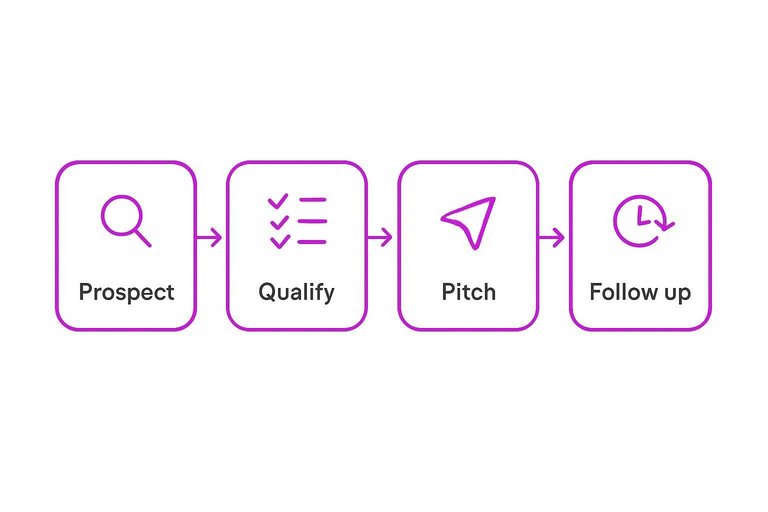
Safer outreach steps
You want consistent effort without spam patterns. Treat it like sales ops, but with manners.
- Prospect: find pages already linking to similar resources.
- Qualify: check relevance, real traffic, and editorial standards.
- Pitch: one clear ask, one clear URL, zero fluff.
- Follow up: once, with new information or a better angle.
- Track: log sends, replies, links, and next actions.
Your goal is repeatable relationships, not a one-time link spike. The operational side gets easier when publishing is also systemized—e.g., a WordPress-integrated workflow that keeps new or updated resources going live on schedule so your outreach always has something current to point to.
Risky tactics to avoid
Shortcuts usually create footprints, and footprints get priced in later. Avoid anything that requires secrecy or coordination games.
- PBNs and recycled “real sites”
- Paid guest posts sold at scale
- Link exchanges and three-way swaps
- Comment spam and forum drive-bys
- Over-optimized exact-match anchors
If you’d be uncomfortable explaining it in an audit, don’t build it. Also be careful with anything that resembles large-scale swapping; even when a “network” is framed as friendly, the safest posture is still editorial-first links earned on merit.
Internal linking system
Internal links are your site’s routing layer. They move authority, steer readers, and show crawlers what matters.
For affiliate sites, this is how you turn scattered articles into a structure that ranks and converts. You’re building pathways, not sprinkling links.
Hierarchy design
A clean hierarchy prevents your best pages from living in the dark. It also makes relevance obvious without relying on guesswork.
Think in three layers:
- Categories: broad topics users expect
- Hubs: “best of” or guides that organize a cluster
- Money pages: reviews and comparisons that earn clicks
Keep important pages shallow, usually reachable in a few clicks from the homepage. Use breadcrumbs to reinforce the path and repeat the same topic labels across the cluster.
If a page needs five clicks and no breadcrumb context, crawlers treat it like a side quest.
Anchor strategy
Anchors tell Google and readers what they’ll get after the click. Vary them, and keep them honest.
- Descriptive: “battery life testing methodology”
- Partial-match: “best trail cameras for night”
- Navigational: “pricing,” “specs,” “top picks”
- Contextual: anchors woven into a supporting sentence
If your anchors all repeat the same keyword, you’re manufacturing signals. That’s the line that gets crossed.
Linking workflow
Internal linking works when it’s part of production, not a cleanup task. You need a repeatable pass that catches orphans.
- During drafting, link to one hub and one supporting explainer.
- Before publishing, add links to the money page and nearest alternative.
- After publishing, add links from the hub back to the new page.
- During updates, swap in fresher pages and remove dead ends.
- Run an orphan check: pages with zero internal links lose.
Treat internal links like QA. If it isn’t checked, it isn’t real.
CTR and UX links
Links earn clicks when they appear at decision points. Place them where readers naturally want options, not where you want to force them.
Tables work for fast comparisons and quick jumps to product reviews. Summaries and “top picks” blocks catch skimmers who are already shopping.
Sticky CTAs can help on long pages, but keep them secondary to the content. FAQ links shine when they answer objections and route to deeper proof.
If the link interrupts intent, you lose both the click and the trust.
For a baseline, follow Google’s guidance on SEO link best practices so your internal links stay crawlable and useful.
Technical SEO essentials
Affiliate SEO breaks when Google can’t crawl, can’t index, or can’t trust what it finds. You’re usually scaling templates, not hand-tuning URLs, so small technical mistakes multiply fast.
Get the fundamentals boring and consistent. That’s what lets your content and links do their job.
Indexation control
Control indexation so your best pages get crawled first, and duplicates stay out of the index.
- Submit clean XML sitemaps for only index-worthy URLs, and keep them updated.
- Set canonicals on near-duplicates, and avoid self-canonicals on parameter variants.
- Handle pagination with crawlable links, and canonical each page to itself.
- Block or noindex faceted and filtered URLs that create infinite combinations.
- Prune thin tag pages, or improve them into real hubs with unique value.
If Google wastes crawl budget on junk variants, your money pages wait in line.
Speed and CWV
Affiliate pages tend to be heavy: images, tables, embeds, and ads. You need speed tactics that survive across every template.
Images: use responsive sizes, modern formats, and lazy-load below the fold. Scripts: defer non-critical JavaScript, and remove what you don’t use. Ads: limit slots, load them after content, and avoid aggressive refresh. Layout: reserve space for images, ads, and comparison tables to prevent shifting.
Your best “SEO win” is often fewer moving parts, not clever optimizations.
Schema usage
Use schema to clarify page intent, not to manufacture rich results.
- Product: only when you truly own product data
- Review: follow policy; avoid “self-serving” markup
- FAQPage: only for visible, non-promotional FAQs
- HowTo: only for real step-based instructions
- BreadcrumbList: use on category and content paths
Eligibility changes, so treat rich results as a bonus, not a plan.
Tracking without bloat
Affiliate tracking can quietly destroy performance and create messy URLs. You want attribution without turning every click into a script festival.
Use UTMs and affiliate parameters consistently, then canonical to the clean version when needed. Keep consent banners lightweight, and don’t load marketing tags before consent where required. Minimize third-party scripts, and prefer server-side redirects for outbound affiliate links.
If tracking costs you Core Web Vitals, you’re paying twice for the same click.
Build your affiliate SEO system in one pass
- Map your intent funnel: assign each target query to a specific page type (hub, review, comparison, alternatives) and define the next click you want the reader to take.
- Publish “experience-first” content: include hands-on proof, clear verdicts, transparent pros/cons, and strong on-page essentials (titles, headings, FAQs, schema where appropriate).
- Make compliance non-negotiable: add clear disclosures, place affiliate links where they’re contextual, and handle links technically (attributes, redirects, tracking) without breaking UX.
- Strengthen authority safely: create linkable assets, use cautious outreach/PR, avoid risky link schemes, and reinforce everything with a deliberate internal linking workflow and solid indexation + performance basics.
Frequently Asked Questions
- Does SEO for affiliate marketing still work in 2026 with AI answers and product carousels?
- Yes—affiliate SEO often works best when you target queries AI summaries can’t fully satisfy, like hands-on comparisons, troubleshooting, and “best for X” use cases. Focus on unique testing evidence, clear decision guidance, and strong branding so users choose your page over aggregated answers.
- Should I use SEO for affiliate marketing on a brand-new domain or start on an existing site?
- Starting on an existing site usually ranks faster because it already has crawl history and topical relevance, but a new domain can work if you build a tight niche, publish consistently, and earn real mentions/links. Choose based on whether you can commit to sustained publishing and niche focus from day one.
- How do I track SEO for affiliate marketing performance beyond clicks and rankings?
- Track revenue-aligned metrics like affiliate link click-through rate, merchant-side conversions (via your affiliate dashboard), and page-level assisted conversions in GA4 using outbound click events and UTM parameters. Also monitor Search Console for query/page trends to see which intents are driving the most valuable traffic.
- Can I do SEO for affiliate marketing without building backlinks?
- You can sometimes win with long-tail, low-competition queries and strong internal linking, but most affiliate niches need some level of earned authority to compete. Prioritize linkable assets (original research, tools, data) and digital PR-style outreach rather than volume link building.
- How often should I publish new content for SEO for affiliate marketing to grow sustainably?
- Publish at a cadence you can maintain while keeping quality and updating older money pages, because freshness alone doesn’t beat better content. If you need help maintaining consistent drafts and on-page SEO basics, a tool like Skribra can streamline publishing workflows without replacing your review/testing input.
Automate Affiliate SEO Execution
Building an affiliate SEO engine means publishing consistently, earning links responsibly, and staying compliant—work that’s hard to sustain alongside day-to-day growth.
Skribra helps you ship SEO-optimized affiliate content daily, publish to WordPress, and tap a backlink exchange network—plus you can start with a 3-Day Free Trial.
Written by
Skribra
This article was crafted with AI-powered content generation. Skribra creates SEO-optimized articles that rank.
Share: